Posted by denny mcdaniels on Apr 06, 2026 in News
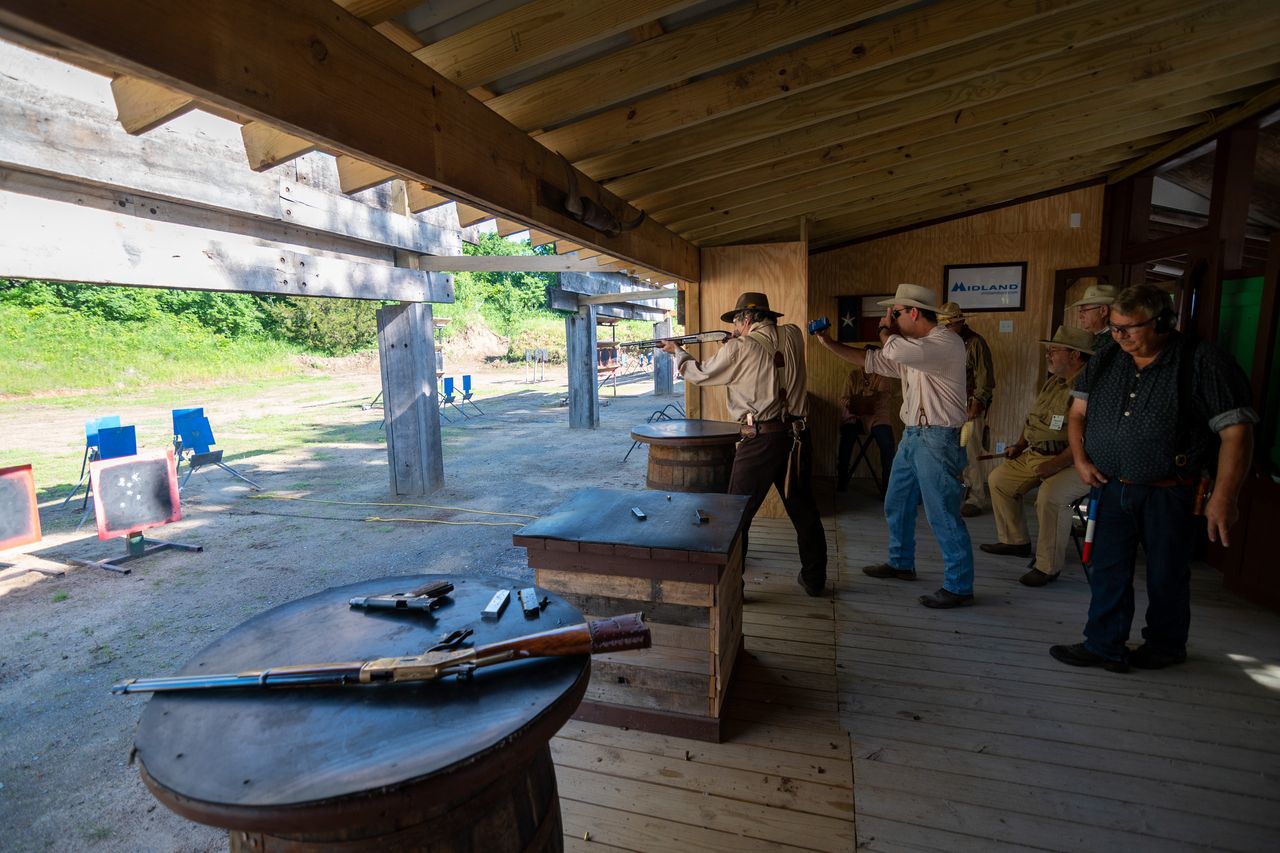
Cowboy Action Shooting tests more than just speed—it challenges your ability to think under pressure. Shooters must remember the stage instructions, follow the correct firing sequence, and keep track of round count, all while moving quickly and efficiently. Each stage is built around a unique scenario, so even if the steel targets remain in the same position, the course of fire changes from one stage to the next.
Scoring is a combination of speed and accuracy. Your total time is your raw stage time plus any penalties. A MISS adds 5 seconds, while a PROCEDURAL—failing to shoot the stage as written—adds 10 seconds. Safety violations carry even heavier penalties and can result in disqualification. Procedural errors are often simple mistakes under pressure, such as firing three rounds at a target when only two are required.
Final results are broken down into shooting categories such as Gunfighter, Duelist, and Traditional, allowing competitors to measure themselves against others using similar styles and equipment. Click here for a explanation of SASS Shooting Styles.
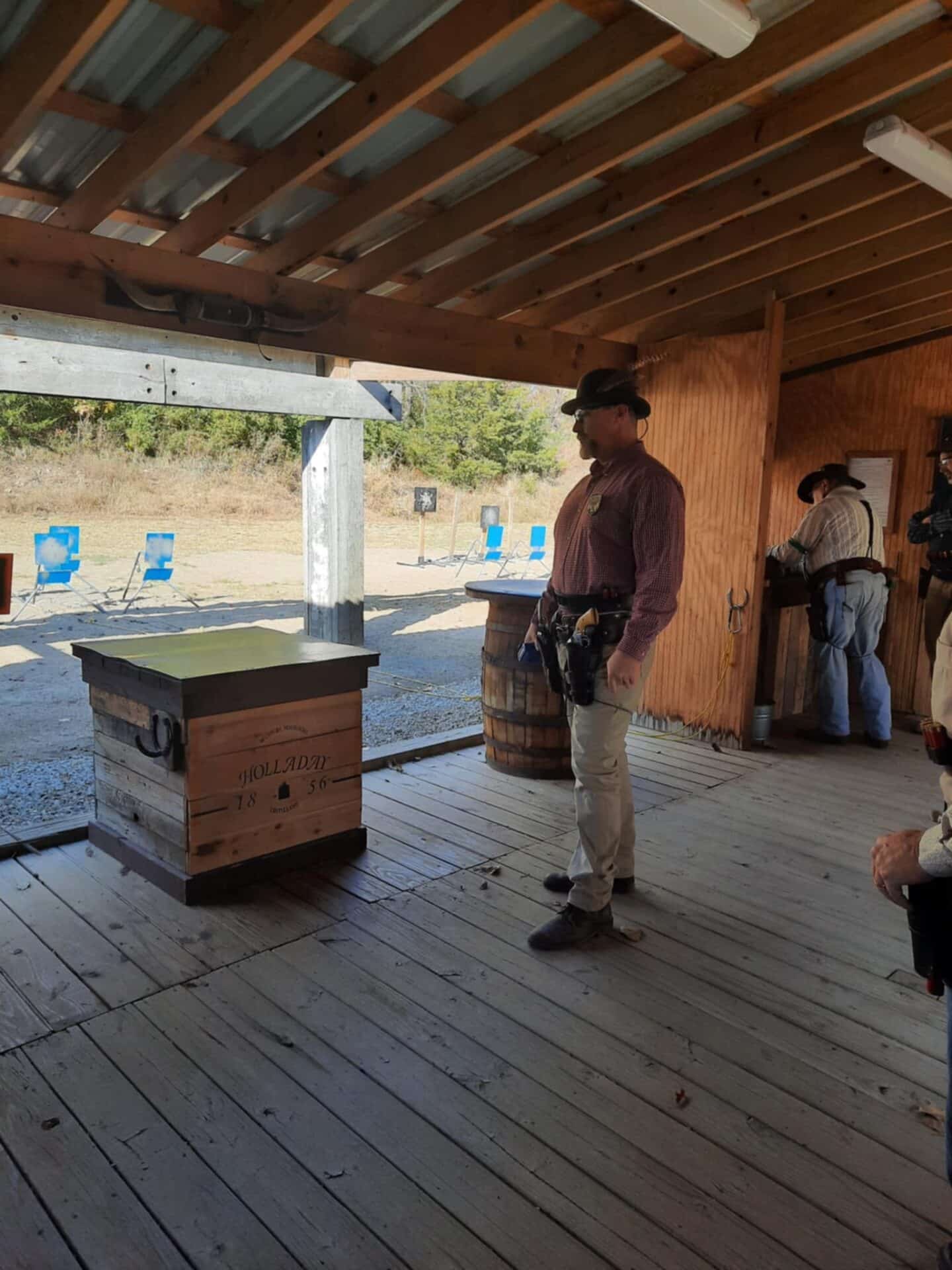
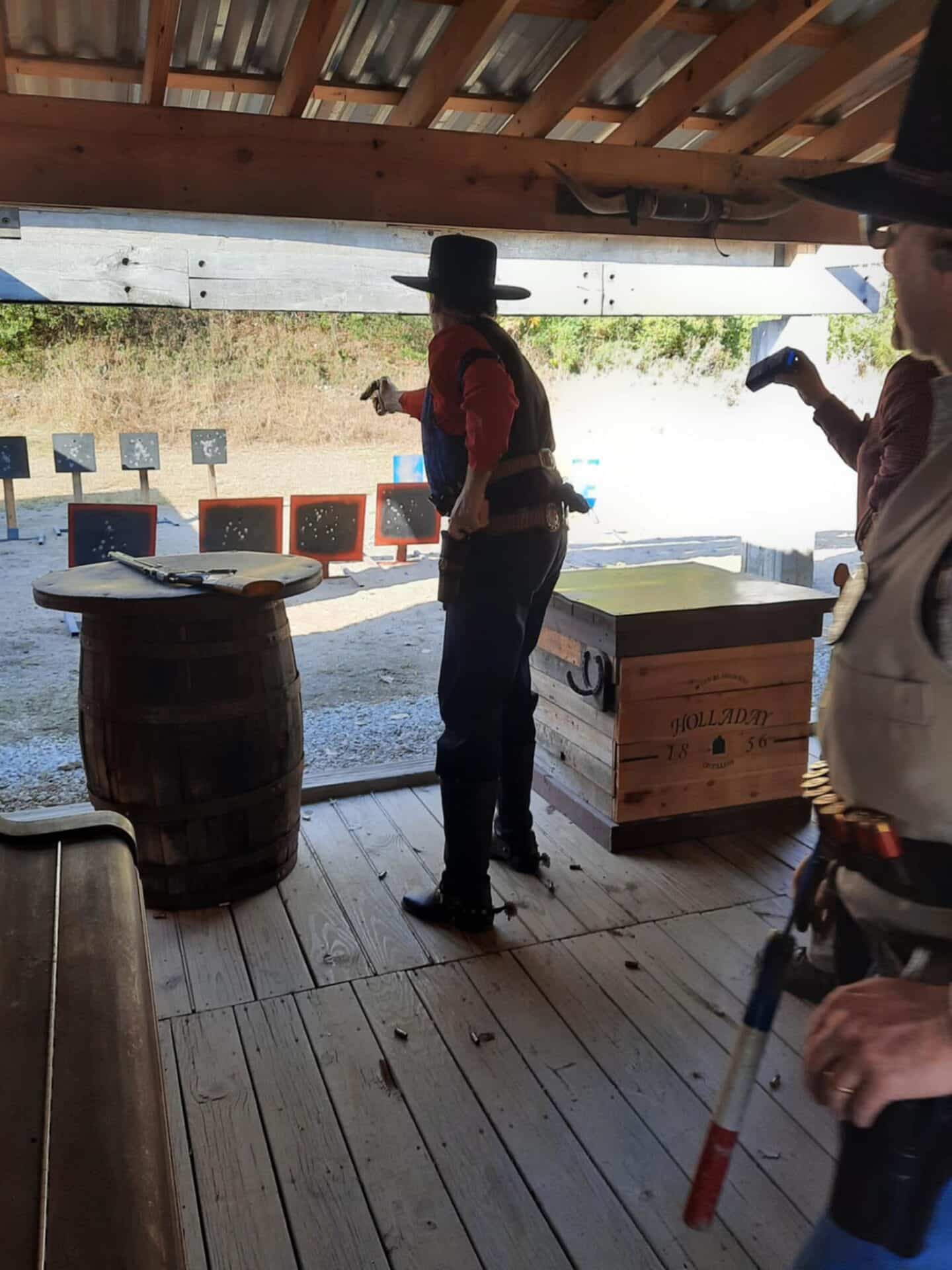
Shooters compete in groups known as posses, typically made up of a dozen or more participants. Running a posse takes coordination—roles include managing the loading and unloading tables, keeping score, counting shots, resetting targets, and picking up brass. It’s a team effort that keeps the match running safely and efficiently.
Stage Ten from our upcoming Smokin” Irons Black Powder match promoted by the River City Regulators from Davis, California
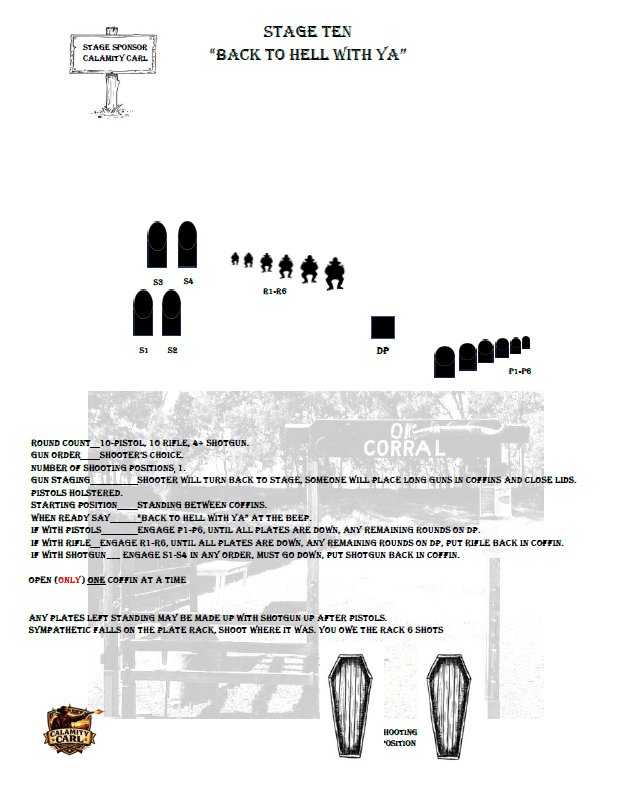
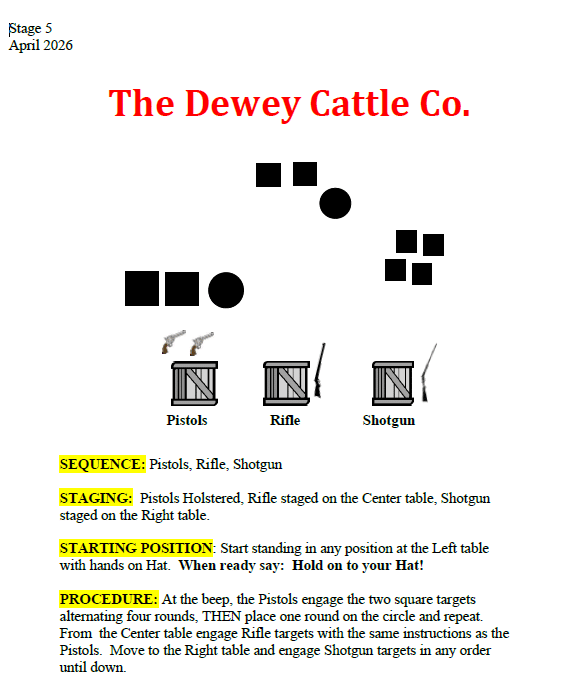
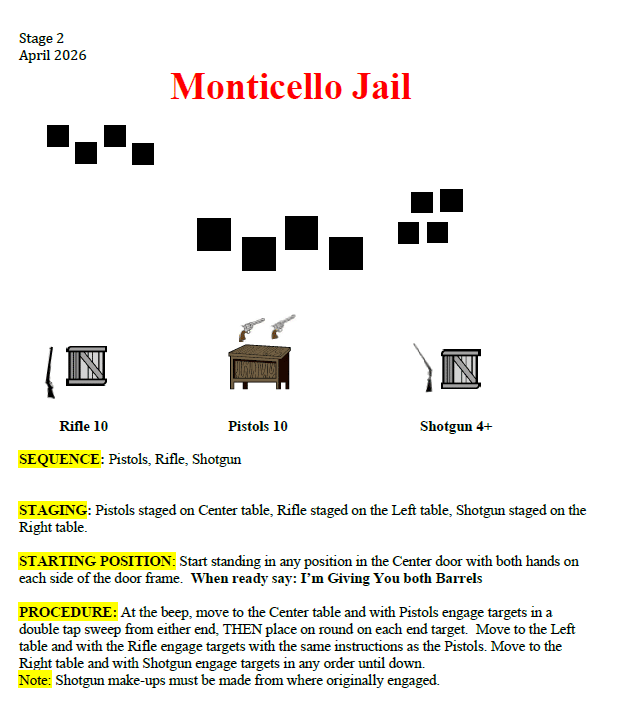
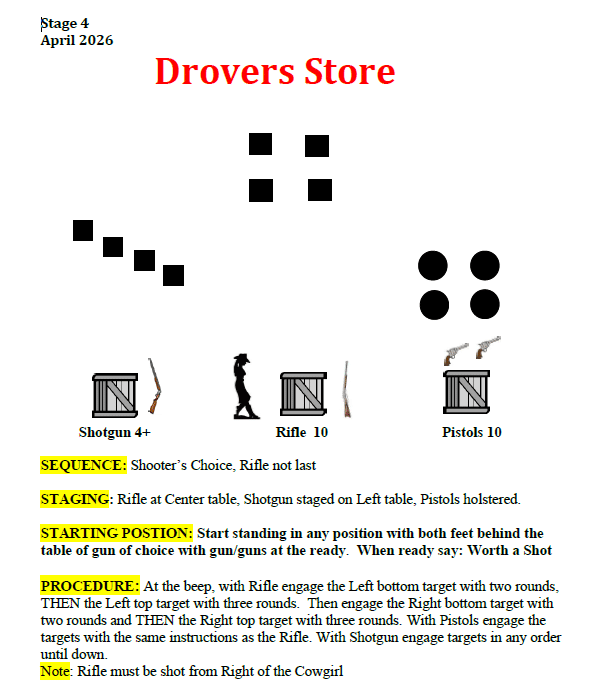
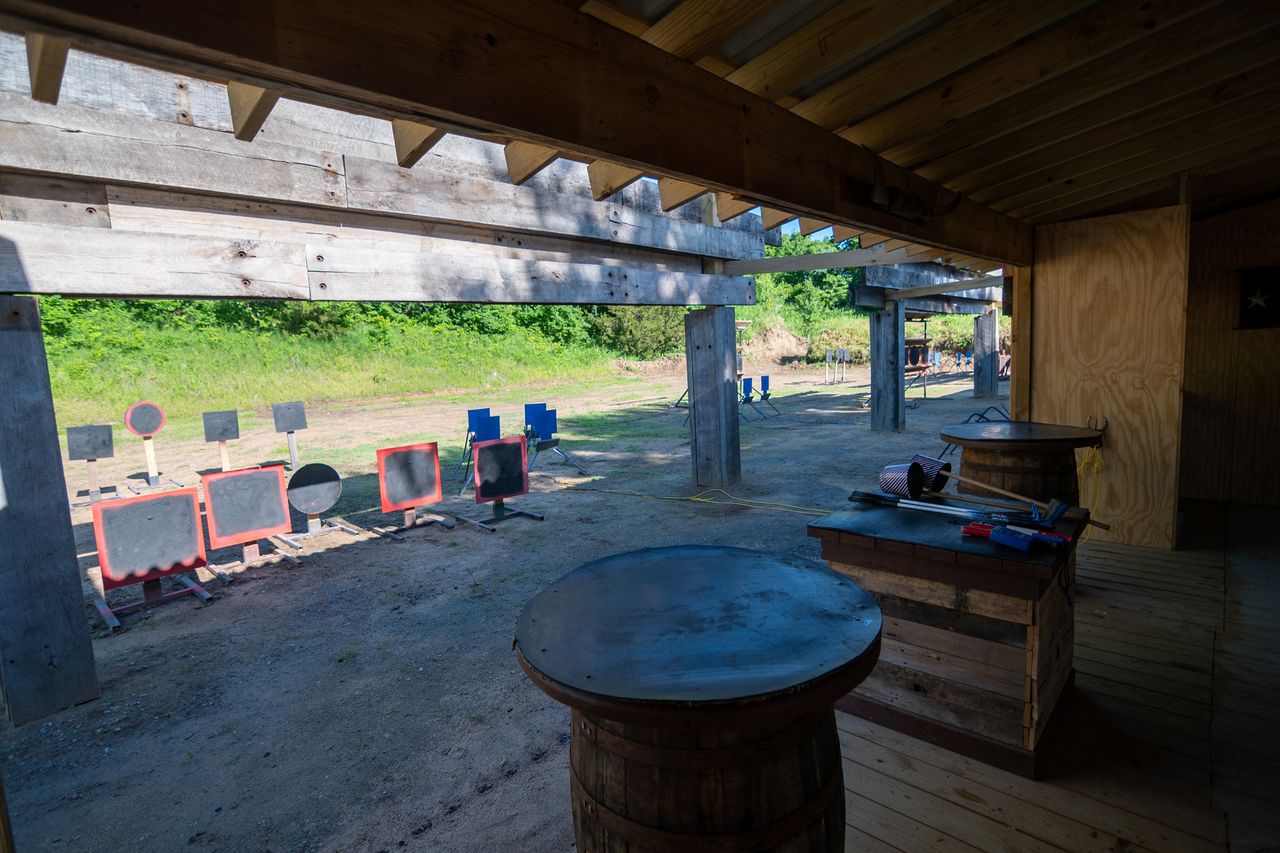
Below are stages used by the Regulators, steel plates are often painted with a theme. There is also a Frontier Cartridge night shoot.
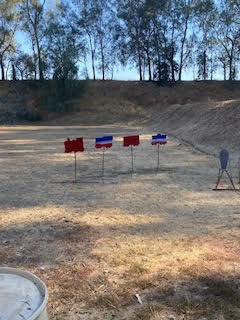
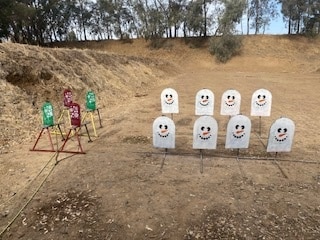
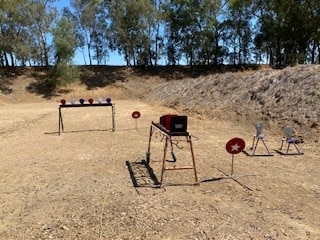
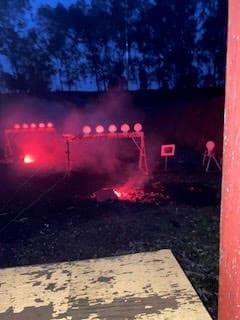
Powder Creek Cowboys from Lenexa, Kansas shared several stage scenarios and photos from earlier CAS matches.